
So the world, as it turns out, is not flat. And neither is packaging.
A monumental observation, we know, but an observation nonetheless. Which begs the question, “Why are all packaging design research tools two-dimensional?”
After all, wouldn’t survey respondents be able to offer more reliable data and insights if they could spin, rotate or zoom in on packaging details like they can with a physical pack.
If you’re reading this and nodding your head in agreement, then you’re our kind of person.
Because that is exactly what we were thinking when we decided to build our new question type, PackSpin, from scratch.
We launched PackSpin V1 a few months ago using a 3D cassette tape (remember those? Erm, us neither) and we promised bigger, better and more complex three-dimensional shapes to come in the future.
And hey, we like to think that we’re men and women of our word, so we’ve worked hard to make it even better. We’d like to formally introduce you to PackSpin 2.0
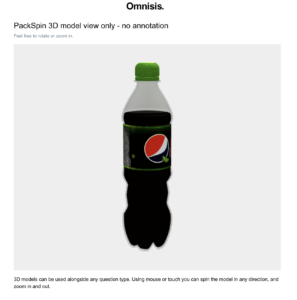
Gathering respondents’ thoughts on a drinks bottle design? We’ve got you.
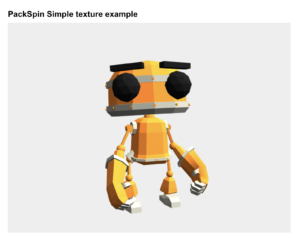
Or maybe an animated character like Mr Robot here?
How about a textured perfume bottle?

In fact, as long as it’s 3D, we can build it. That’s the beauty of working with our own in-house survey software and a talented team of developers.
PackSpin is interactive, intuitive, and another word that begins with “in” that we can’t think of right now. Respondents can leave annotations on the model, praising a sidebar here or leaving a back-of-pack suggestion there. They can even zoom in and write, in depth, about how they like or dislike the tiniest details.
So if you’d like a survey solution that can go in out, in out and shake it all about, why not try our 🎉Live Demo of PackSpin 2.0 🎉 today.
And if you’d like to apply this to your latest project, make sure you get in touch.